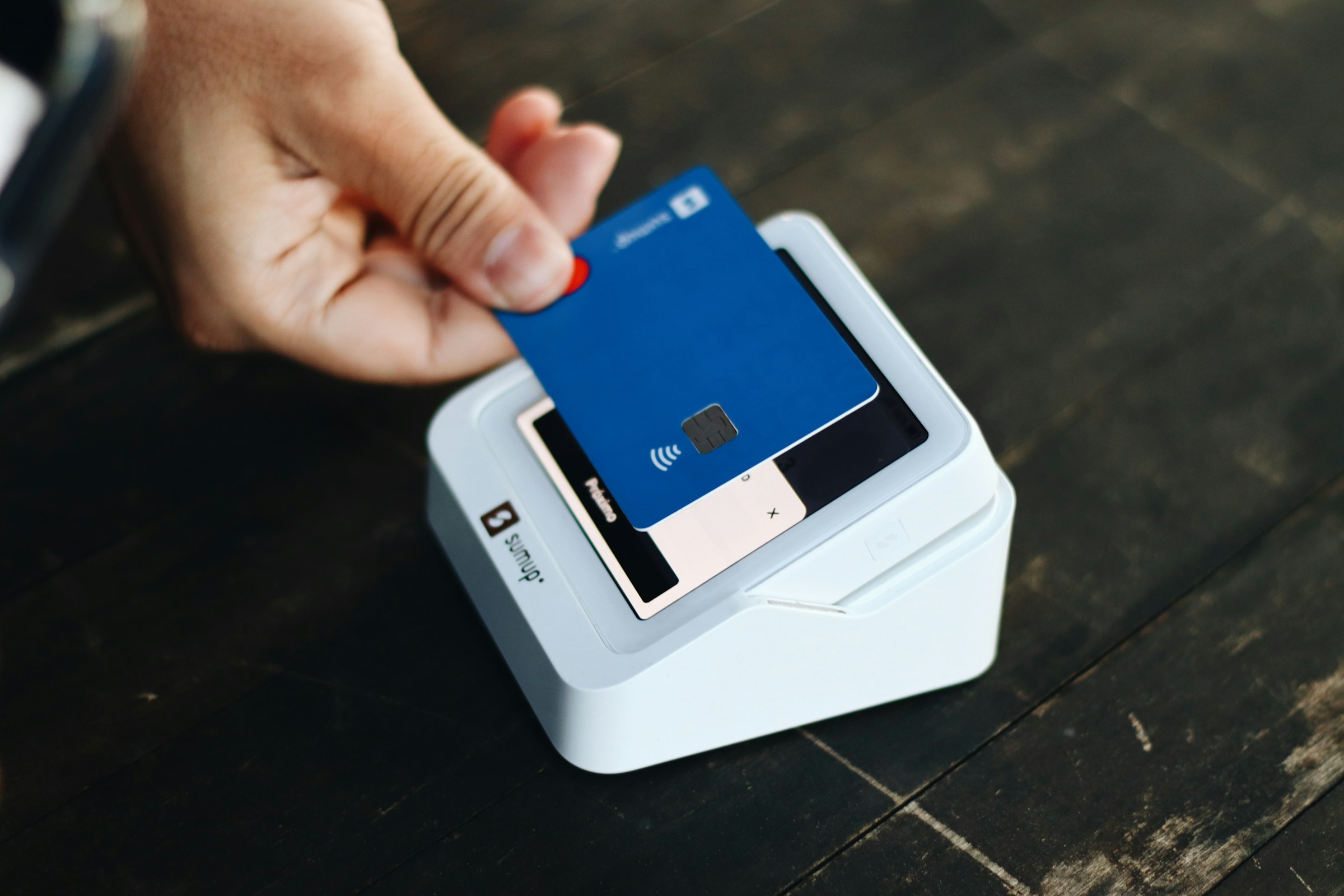
Credit fraud is no longer rare—it’s something anyone can face.
As more personal information moves online, criminals have more chances to misuse it, often without warning.
When fraud happens, it can hurt your credit score, delay loans, and create stress that takes months to fix.
The good news is that most damage can be prevented with the right habits.
This guide shows you how credit fraud works, the warning signs to watch for, and simple steps to protect your credit.
With the right knowledge, you can stay in control and protect your financial future.
What Is Credit Fraud?
Credit fraud happens when someone uses your personal or financial information to open accounts, make purchases, or take out loans without your permission.
This can include using your credit card details, Social Security number, or banking information to rack up debt in your name.
Fraudsters often get this information through data breaches, phishing emails, fake websites, stolen mail, or even unsecured public Wi-Fi.
Sometimes the misuse is obvious, like strange charges on a card, and other times it’s silent, such as a new loan you don’t find out about until a bill or collection notice appears.
While credit fraud and identity theft are closely connected, they are not the same thing.
Identity theft is broader and involves stealing your personal identity for many purposes, while credit fraud focuses specifically on abusing your credit and financial accounts.
In simple terms, identity theft is the act of stealing who you are, and credit fraud is one of the most damaging ways criminals use that stolen identity.
Common Types of Credit Fraud
New Account Fraud
New account fraud happens when someone opens a credit card, loan, or line of credit in your name without your knowledge.
This type of fraud is especially dangerous because it often goes unnoticed until a bill arrives or your credit score suddenly drops.
Fraudsters usually use stolen personal details to pass basic checks, making the account look legitimate at first.
By the time you discover it, missed payments and high balances may already be harming your credit.
Account Takeover Fraud
Account takeover fraud occurs when a criminal gains access to an account you already own.
They may change your login details, contact information, or mailing address to lock you out. Once inside, they can make charges, transfer balances, or drain available credit.
This type of fraud can escalate quickly, but early alerts or unusual account activity can help stop the damage before it spreads.
Credit Card Fraud
Credit card fraud involves unauthorized charges made using your card details. Sometimes the physical card is stolen, and other times only the numbers are used online.
Small test charges often appear first, followed by larger purchases if the activity goes unnoticed.
While credit card fraud is usually easier to reverse, delays in reporting it can still affect your credit and create added stress.
Loan and Utility Fraud
Loan and utility fraud happens when someone uses your identity to apply for personal loans, car loans, or even utility services like electricity or phone accounts.
These accounts may go unpaid, leading to collections that show up on your credit report.
Many people don’t realize this type of fraud has occurred until they apply for credit themselves.
Acting quickly is key, since these accounts can cause long-term credit damage if left unresolved.
Warning Signs Your Credit May Be Compromised
Unfamiliar Accounts or Charges
One of the clearest signs of credit fraud is seeing accounts or charges you don’t recognize.
This might be a new credit card, loan, or store account that you never applied for, or purchases that don’t match your spending habits.
Even small charges can be a red flag, since fraudsters often test an account before making larger moves.
If something looks off, it’s worth checking right away rather than assuming it’s a mistake.
Sudden Credit Score Drops
A sharp drop in your credit score without a clear reason is another warning sign.
Missed payments, high balances, or new accounts you didn’t open can all drag your score down quickly.
Many people only notice this when they check their score or apply for credit, which is why regular monitoring matters.
Catching the change early can limit the damage and speed up recovery.
Collection Notices for Debts You Don’t Recognize
Getting a call or letter about a debt you don’t remember taking on can be alarming.
In many cases, this means someone used your information to open an account and then failed to pay it.
These collection notices can hurt your credit even if the debt isn’t yours. Taking action right away helps protect your record and stops the issue from growing.
Alerts From Lenders or Credit Bureaus
Alerts from lenders or credit bureaus should never be ignored. These messages often warn about new account applications, changes to your credit file, or unusual activity.
While not every alert means fraud, they are early signals that something may need your attention.
Responding quickly can prevent a small issue from turning into a long-term credit problem.
How to Protect Your Credit From Fraud
Monitor Your Credit Regularly
Checking your credit on a regular basis helps you catch fraud early, before it causes lasting damage.
You don’t need to look every day, but consistent reviews make it easier to spot changes that don’t belong to you.
When reading your credit report, focus on new accounts, unfamiliar balances, hard inquiries you didn’t approve, and missed payments you know you made on time.
Even one unfamiliar detail can be a warning sign worth investigating.
Freeze or Lock Your Credit
A credit freeze blocks lenders from accessing your credit report unless you approve it, which makes it much harder for fraudsters to open new accounts in your name.
It does not affect your credit score and can be lifted temporarily when you need to apply for credit yourself.
A freeze makes the most sense if you’ve been a victim of fraud, were part of a data breach, or simply want extra protection when you’re not planning to borrow anytime soon.
It’s one of the strongest tools available for preventing new account fraud.
Use Strong Passwords and Two-Factor Authentication
Strong passwords help protect your bank, credit card, and email accounts from being taken over.
Each account should have a unique password, since reusing passwords makes it easier for criminals to access multiple accounts at once.
Two-factor authentication adds another layer of security by requiring a code or confirmation beyond your password.
Avoid common mistakes like sharing login details, using easy-to-guess passwords, or ignoring security alerts.
Be Careful With Personal Information
Protecting your personal information starts with everyday habits, both online and offline.
Shred sensitive mail, avoid sharing details on public Wi-Fi, and think twice before entering information on unfamiliar websites.
Phishing scams often look like real messages from banks or companies and try to trick you into clicking links or giving up personal details.
Slowing down and verifying who you’re dealing with can stop many scams before they succeed.
What to Do If You Become a Victim of Credit Fraud
Immediate Steps to Take
If you suspect credit fraud, act as soon as possible to limit the damage. Start by reviewing your credit reports and account statements to identify anything you don’t recognize.
Contact the affected lenders right away to report the fraud and secure the accounts.
Placing a fraud alert or freezing your credit can stop new accounts from being opened while you sort things out.
How to Report Fraud
Reporting fraud creates a record that protects you and helps fix your credit. File a report with your credit bureaus so fraudulent activity is clearly marked on your credit file.
In many cases, you should also report the incident to the appropriate identity theft authority or consumer protection agency in your country.
These reports make it easier to prove the fraud wasn’t your fault and guide you through the recovery steps.
Disputing Fraudulent Accounts and Charges
Disputing fraudulent accounts and charges is how you remove them from your credit report.
Contact each lender in writing and explain that the account or charge is the result of fraud. Include any supporting documents, such as fraud reports or account statements.
Stay organized, follow up regularly, and keep copies of everything, since clear records help resolve disputes faster and protect your credit long term.
How Long Credit Fraud Can Affect Your Credit
Credit fraud can affect your credit for a short time or for years, depending on how quickly it’s caught and resolved.
In the short term, fraudulent accounts, missed payments, and high balances can cause sudden score drops and trigger loan denials or higher interest rates.
If the fraud is reported early, much of this damage can be reversed once the false information is removed.
Long-term impact usually happens when fraud goes unnoticed, allowing accounts to go to collections or stay on your report longer than they should.
Recovery timelines vary based on the type of fraud, how fast lenders respond, and how complete your documentation is, with some cases resolved in weeks and others taking several months.
Rebuilding trust with lenders starts by keeping all real accounts in good standing, paying on time, lowering balances, and monitoring your credit closely.
Over time, consistent responsible behavior shows lenders that the fraud was an isolated event and that you remain a reliable borrower.
Final Thoughts
Credit fraud can happen to anyone, but staying aware gives you the upper hand.
Simple habits like checking your credit, protecting your information, and acting fast can stop small issues from becoming serious problems.
The earlier you take control, the easier it is to stay protected.
When it comes to your credit, prevention is always easier than recovery.
FAQs
Is credit fraud the same as identity theft?
Not exactly. Identity theft is the act of stealing your personal information, while credit fraud happens when that stolen information is used to open accounts or take on debt in your name.
Does a credit freeze hurt your credit score?
No. A credit freeze does not affect your credit score in any way.
It simply blocks access to your credit report so new accounts can’t be opened without your approval.
How often should I check my credit report?
Checking your credit report a few times a year is a good habit for most people.
More frequent checks make sense if you’ve been a victim of fraud or were part of a data breach.
Can fraud happen even with good credit habits?
Yes. Even careful people can be targeted through data breaches or scams.
Good habits reduce risk, but regular monitoring and quick action are what truly limit damage.

Alex Finley is a credit education writer who focuses on explaining credit scores, credit reports, and responsible credit rebuilding strategies in clear, practical terms. Content is written for educational purposes only.