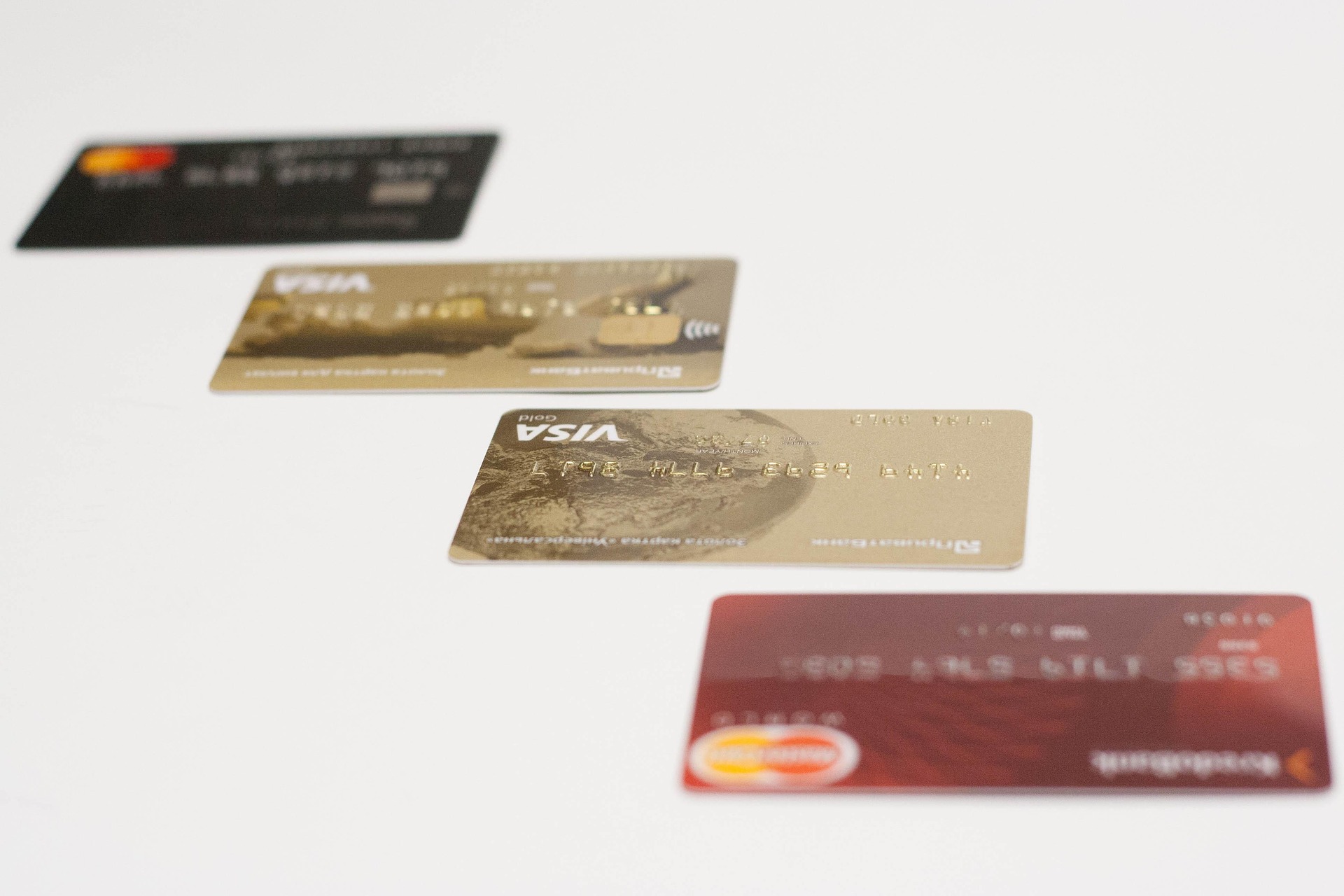
A secured credit card can be a powerful tool when used the right way. It looks and works like a regular credit card, but it requires a refundable deposit that sets your limit.
Many people use secured cards to build credit from scratch or recover after mistakes.
Lenders report your activity to the credit bureaus, which means smart use can steadily improve your score.
In this guide, you’ll learn exactly how to use a secured card properly. You’ll see what to do, what to avoid, and how to turn a small deposit into real credit progress.
What Is a Secured Credit Card?
A secured credit card is a credit card designed to help you build or rebuild credit by requiring a cash deposit upfront, which acts as your safety net for the lender.
You deposit a set amount, usually a few hundred dollars, and that amount becomes your credit limit, but the money is not spent unless you fail to pay your bill.
You use the card like any other credit card, making purchases, receiving a monthly statement, and choosing how much to pay, with responsible use reported to the credit bureaus.
The security deposit lowers the risk for the issuer, which is why secured cards are easier to qualify for than unsecured cards.
The biggest difference is that unsecured cards do not require a deposit and are approved based on your credit history and income, while secured cards rely on your deposit instead.
Despite this difference, both types affect your credit in the same way, meaning on-time payments and low balances help your score, while missed payments can still cause damage.
When used correctly, a secured card functions as a stepping stone, allowing you to prove reliability and eventually move on to an unsecured card with better terms.
Who Should Use a Secured Card?
A secured card is a strong option for people who have no credit history and need a safe way to get started, such as students or anyone who has never used credit before.
It is also a practical choice for those rebuilding after bad credit, including missed payments, collections, or past financial mistakes, because approval is based on the deposit rather than your score.
In both cases, the card gives you a chance to show consistent, responsible behavior over time, which lenders want to see.
A secured card makes sense when you need to build trust with credit bureaus and banks, and when you are ready to use credit carefully and pay on time every month.
It does not make sense if you already qualify for a low-fee unsecured card, or if you are not in a position to manage monthly payments reliably.
The goal is not to stay on a secured card forever, but to use it as a temporary tool that helps you move forward with confidence.
How to Choose the Right Secured Card
Minimum Deposit Requirements
Start by looking at how much money you need to put down. Most secured cards require a deposit that becomes your credit limit, often starting at a few hundred dollars.
A lower minimum deposit makes it easier to begin, but a slightly higher deposit can help keep your balance low and your credit usage healthy.
Choose an amount you can afford to leave untouched for several months without stress.
Fees to Watch Out For
Fees can quietly slow your progress if you are not careful. Some secured cards charge annual fees, monthly maintenance fees, or application fees that add up over time.
A card with fewer fees gives you more room to focus on building credit instead of paying extra costs.
Always read the fee details before applying, even if the card looks appealing at first glance.
Reporting to All Three Credit Bureaus
Credit building only works if your activity is reported. Make sure the secured card reports to all three major credit bureaus, not just one or two.
This ensures your good habits show up across your full credit profile and helps your score improve more evenly.
Without full reporting, your effort may not deliver the results you expect.
Upgrade Paths to an Unsecured Card
A strong secured card should offer a clear path forward.
Look for issuers that review your account after consistent on-time payments and allow you to upgrade to an unsecured card without reapplying.
This usually means getting your deposit back and moving to a better card with higher limits and fewer fees.
A clear upgrade option turns your secured card into a true stepping stone, not a dead end.
How to Use a Secured Card Properly
Keep Your Credit Utilization Low
Credit utilization is how much of your available credit you are using at any given time, and it plays a major role in your credit score.
If your secured card has a $300 limit and you carry a $150 balance, you are using 50% of your limit, which can hurt your score even if you pay on time.
Staying under 30% shows lenders that you can manage credit without relying on it too heavily.
Lower is even better. Keeping balances small makes your credit profile look safer and more responsible.
Pay Your Balance On Time, Every Time
Payment history is the most important part of your credit score. One late payment can undo months of good behavior, especially when you are just starting out.
Paying on time tells lenders you are reliable and consistent. Setting up automatic payments for at least the minimum amount removes the risk of forgetting and gives you peace of mind.
You can always pay more later, but on time should never be optional.
Use the Card Regularly (But Lightly)
A secured card only helps if it is used. Making small, regular purchases like a streaming subscription or a grocery run keeps the account active and shows steady use.
The goal is not to spend more, but to spend smart.
Avoid using the card for impulse buys or expenses you cannot pay off right away. Light, controlled use builds trust without adding pressure.
Pay the Balance in Full Each Month
Paying your balance in full helps you avoid interest and keeps your debt from growing. Interest charges offer no credit-building benefit and only make progress harder.
Full payments also keep your utilization low, which supports a healthier score over time.
When you treat your secured card like a tool instead of borrowed money, you build strong habits that last well beyond this card.
Common Mistakes to Avoid With a Secured Card
Maxing Out the Card
Using all or most of your available credit is one of the fastest ways to hurt your score.
Even if you pay the balance later, high usage can still be reported and make you look risky to lenders.
A secured card works best when balances stay low and controlled. Think of your limit as a ceiling, not a target.
Missing or Making Late Payments
Late payments can cause real damage, especially when your credit history is thin. One missed due date can drop your score and stay on your report for years.
This risk is completely avoidable with reminders or automatic payments. Consistency matters more than anything else when building trust.
Closing the Card Too Soon
Many people close their secured card as soon as they see improvement, but this can backfire. Closing an account can raise your credit utilization and shorten your credit history.
It is often better to keep the card open until you successfully upgrade to an unsecured card. Patience helps protect the progress you have already made.
Treating It Like a Debit Card Replacement
A secured card is not meant for everyday spending without limits. Unlike a debit card, it creates debt that must be managed carefully.
Using it for all purchases increases the chance of high balances and missed payments. A few planned charges each month are enough to build credit without adding risk.
How Long Should You Use a Secured Card?
Typical Timeline for Credit Improvement
Most people begin to see credit improvement within three to six months of using a secured card correctly.
This assumes you are paying on time, keeping balances low, and using the card regularly.
Bigger changes often show up after six to twelve months, once your positive history has had time to build.
Credit growth is not instant, but steady habits create reliable results.
Signs You’re Ready to Upgrade
You may be ready to move on when your payments have been on time for several months, and your balances stay well below your limit.
An improving credit score, pre-approval offers, or a message from your card issuer about a review are also strong signs.
If you can manage credit without carrying debt, you are likely prepared for an unsecured card. The key signal is consistency, not speed.
What Happens to Your Deposit When You Upgrade
When you upgrade to an unsecured card, your security deposit is usually returned to you.
Some issuers refund it automatically, while others apply it as a statement credit before sending the rest back.
The timing depends on the lender, but the money is not lost if the account was handled responsibly.
That deposit is your reward for proving you can manage credit on your own.
When and How to Upgrade to an Unsecured Card
Credit Score Benchmarks
There is no single credit score that guarantees an upgrade, but many issuers begin reviewing accounts once scores reach the mid-600s.
What matters just as much as the number is your behavior. On-time payments, low balances, and steady use carry more weight than a fast score jump.
Lenders want proof that your habits have changed, not just your score.
Graduation Policies From Issuers
Some secured card issuers offer automatic reviews after a set period, often six to twelve months.
If your account qualifies, they may upgrade you to an unsecured card and return your deposit without requiring a new application.
Other issuers require you to request a review or apply for a separate card. Knowing your issuer’s policy helps you plan your next move and avoid surprises.
Applying for a New Card vs Upgrading
Upgrading keeps your account history intact, which is good for your credit length and stability.
Applying for a new card can offer better rewards or limits, but it also creates a hard inquiry and a new account.
If your issuer offers a smooth upgrade path, it is usually the safer choice. If not, applying elsewhere can still make sense as long as your credit profile is ready and stable.
How a Secured Card Impacts Your Credit Score
Payment History
Payment history is the strongest factor in your credit score, and a secured card affects it the same way any other credit card does.
Every on-time payment builds trust and shows lenders you can be relied on. One missed payment, however, can cause real damage and stay on your report for years.
Consistency is what turns a secured card into a credit-building win.
Credit Utilization
Your secured card also affects how much of your available credit you use. Keeping balances low compared to your limit signals control and responsibility.
High balances can hurt your score even if you pay on time, especially when your credit limit is small. Managing utilization well is one of the fastest ways to see improvement.
Length of Credit History
The age of your accounts matters more than many people realize. A secured card often becomes one of your earliest accounts, which makes it valuable over time.
Keeping it open and in good standing helps increase the average age of your credit. This adds stability to your profile and supports long-term growth.
Overall Credit Mix
Credit scores also look at the types of accounts you manage. A secured card adds a revolving credit account to your profile, which helps if your credit file is thin.
While mix is not the most important factor, it still plays a role. Using different types of credit responsibly makes your profile more balanced and trustworthy.
Final Thoughts
A secured card works when you use it with purpose. Keep balances low, pay on time, and treat every charge as a chance to build trust.
This card is not a finish line. It is a stepping stone toward better credit and stronger options.
Stay patient, stay consistent, and focus on habits that last. Strong credit is built one smart month at a time.
FAQs
Do secured cards really build credit?
Yes, secured cards can build credit when used correctly. They report your payment activity to the credit bureaus just like regular credit cards.
Paying on time and keeping balances low helps establish a positive credit history. Over time, this can lead to higher scores and better credit options.
How much should I deposit on a secured card?
You should deposit an amount you can comfortably afford without financial strain.
Most people start with a few hundred dollars, which is enough to show activity while keeping utilization low.
A higher deposit can help if it allows you to use less of your available limit. The key is choosing a deposit that supports healthy spending habits.
Can a secured card hurt my credit?
Yes, it can if it is misused. Late payments, high balances, or maxing out the card can damage your score just like with any other credit card.
The deposit does not protect your credit. Responsible use is what makes the difference.
Is it okay to have more than one secured card?
In some cases, yes. Having more than one secured card can help increase your available credit and lower utilization if you can manage both accounts well.
However, multiple cards also mean multiple due dates and responsibilities. If managing more than one card feels stressful, one well-used secured card is often enough.

Alex Finley is a credit education writer who focuses on explaining credit scores, credit reports, and responsible credit rebuilding strategies in clear, practical terms. Content is written for educational purposes only.